

spring journal
because in Alaska, May is just the beginning

It is still brown here but if you look closely, the first faint glimmers of green are finally up in the trees and you can see the pregnant swelling of buds on branches. On the ground, patches of grass are filling in; they always start closest to the house but there’s also a bold patch in front of our coops, where mucky chicken water has been dumped.
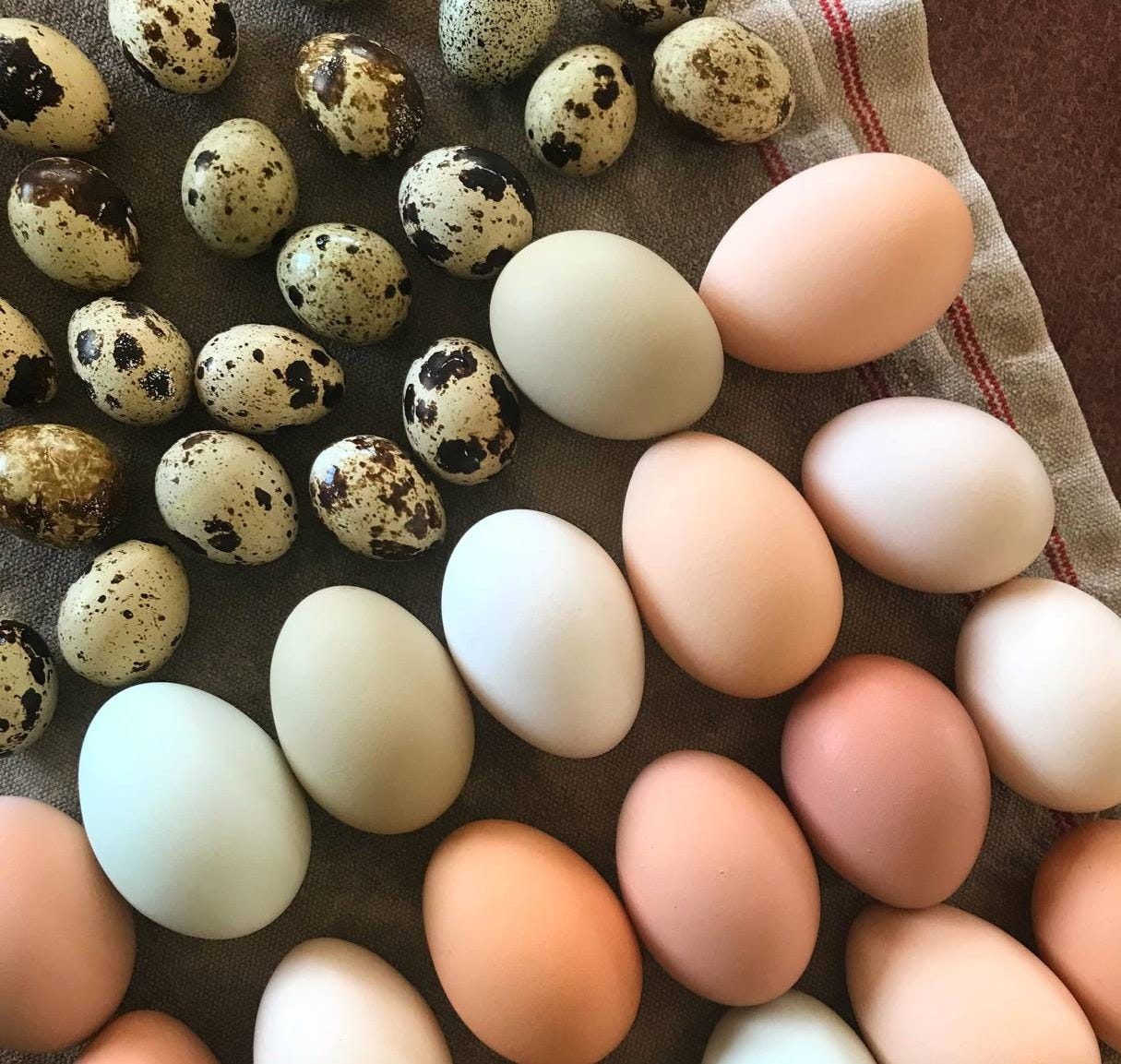
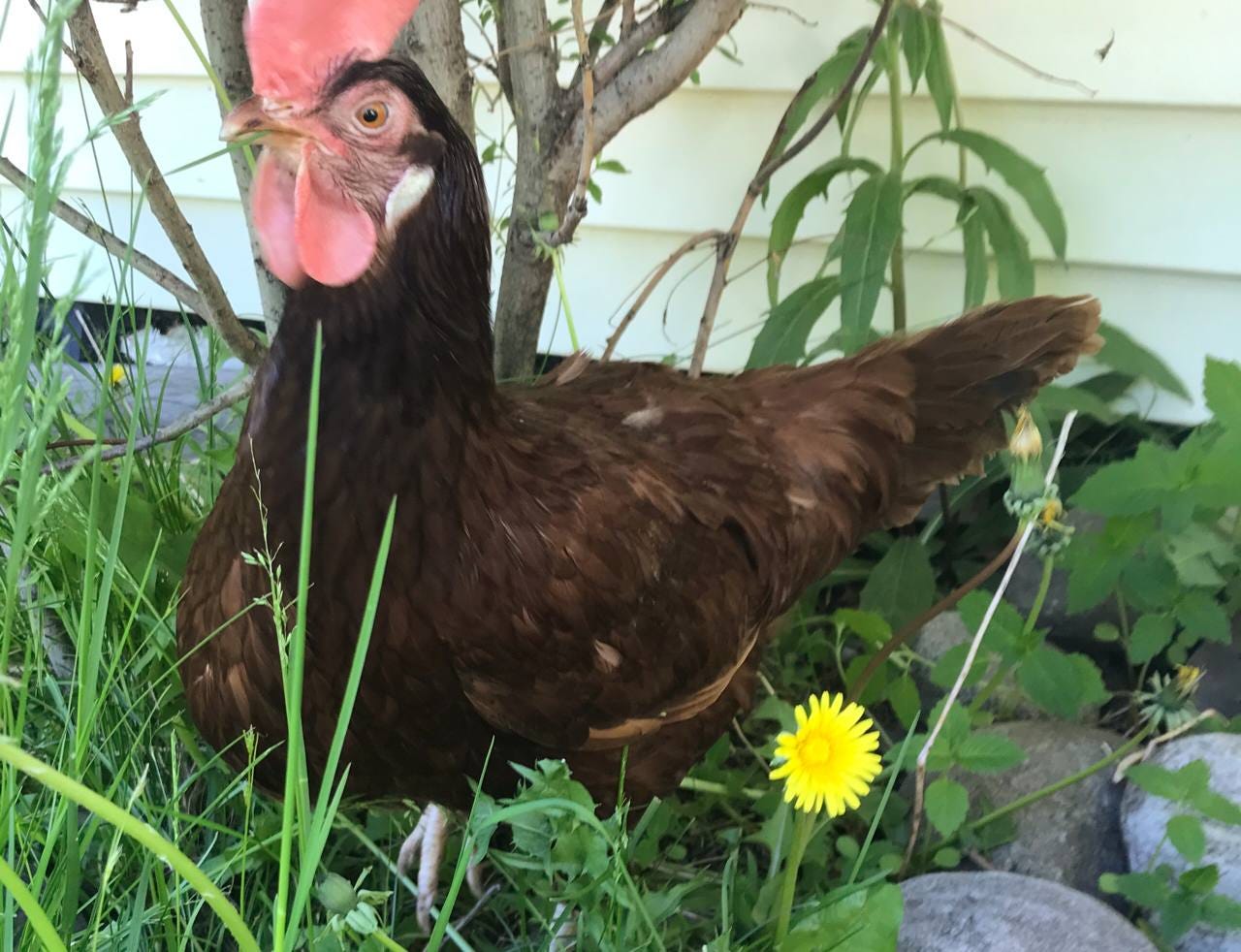
The chickens are all laying again though, and after a winter of freeloading taking a break, everyone’s doing their part — even Toughie, four years old now, who is our only white egg layer left.
Since we got used to skimping all winter, suddenly we have more eggs than we need — and this is where I tell you about preserving them in lime.1 It’s the easiest thing ever and for those of us (cough) who still haven’t mastered canning, it’s satisfying to know that we’re still storing up food for next winter when we’ll need the eggs.
You need:
fresh, unwashed (but clean) eggs
food grade Calcium Hydroxide, AKA pickling lime (this is what we use)
clean jars with lids — not necessarily canning jars2
water
What you do:
Gently set your eggs in the jar.
Mix the lime solution: 1 T of lime per 2 cups of water.
Pour the solution over the eggs so they are completely covered.
Put the lid on, store the jar in a dark cabinet, and revel in your homesteaderly power and cunning.
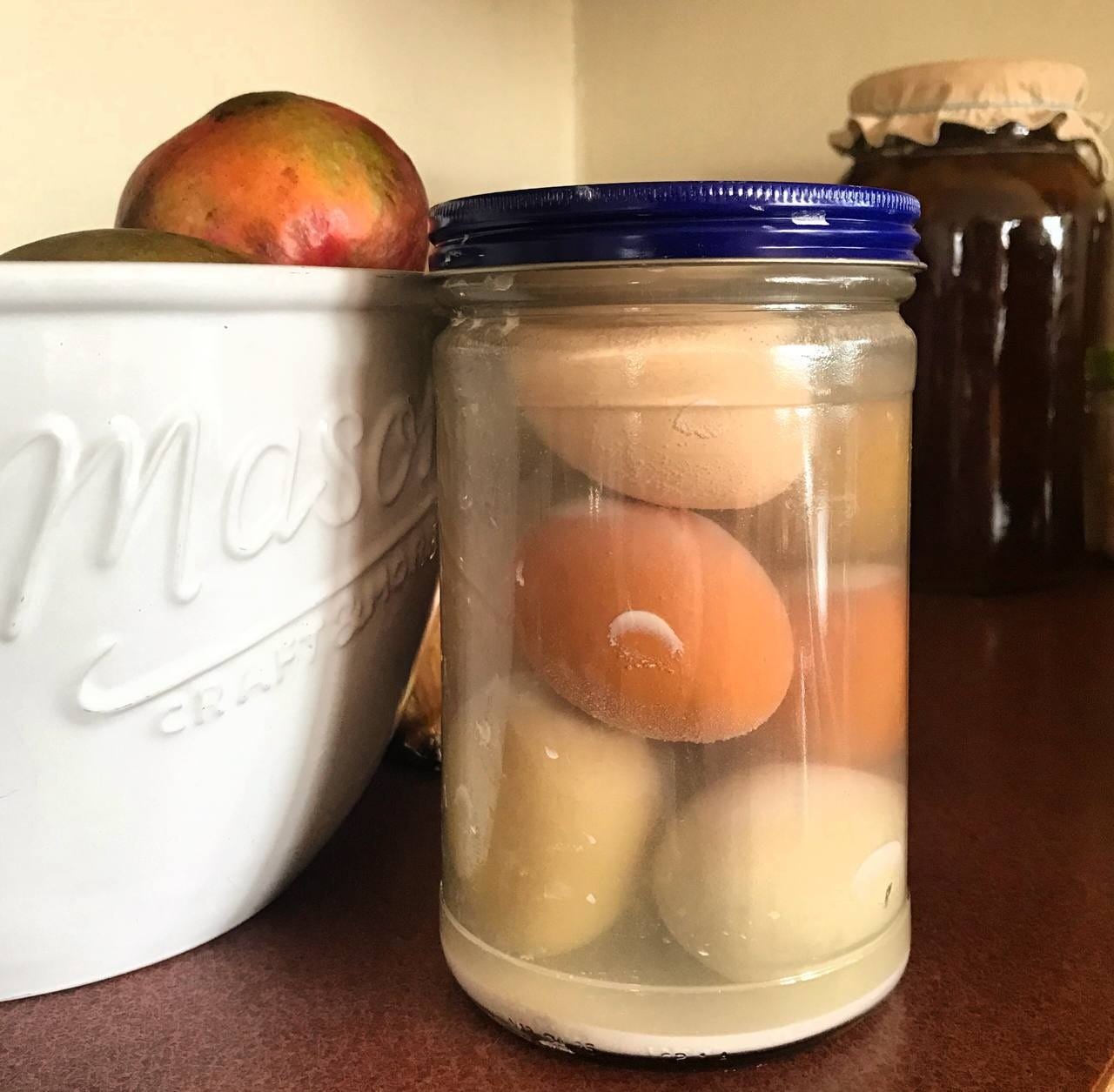
We use Adams peanut butter jars (36 oz size) because we have dozens of them. They hold 8 chicken eggs (9 if they’re small, and sometimes I tuck in extra quail eggs) and just over 2 cups of lime solution.
Eggs preserved this way will last for 1-2 years. Use them like normal but do not feed the lime-coated shells to your chickens. And when you’re done with the lime solution water, dump it somewhere safe — not down the drain, and not where you garden. Choose a designated spot outside; we dump ours at the edge of the woods.
There will probably be a calcified ring around the waterline of the container once you’ve finished with it, and this line will not come off with anything less than a chisel (which we haven’t actually tried but sounds like it might work). So we just reuse these jars for the next round of preserving eggs.
also if you have too many eggs…
…have you made German pancakes? Here you go:

for spring foragers
nettles
This looks good if you have an abundance of nettles, and in just three minutes he gives some other smart tips for general soup-making, too:
spruce tips
And if you live around a bunch of spruce trees, did you know you can eat spruce tips?
The light green new growth is soft and a little spicy/tangy — and it makes a great addition to a biscuit & salami hiking snack. 😁 Great source of vitamin C, magnesium, potassium, chlorophyll, and other things I don’t know how to spell…also, they’re terrific sautéed in butter with a little salt.


It might be too late where you live, but in southcentral Alaska the spruce tips come out in late May and they’re AMAZING on sandwiches or rolls with a slice of pepper jack cheese.


Also, related: If you or someone you love took the jab and would like to disable the negative effects of it, this is a terrific resource with info. The suramin found in pine needles is also found in spruce tips — that’s good news if you’re Alaskan and don’t live near pine trees.
Happy foraging!
Don’t forget to milk the chickens,
Shannon

Sometimes this is called “water glassing” and sometimes the lime solution is called “pickling lime,” but these are not pickled eggs. Sciencey explanation with tons of info for the curious here.
This might be controversial but I guess we live on the edge.